Transitional Care Management (TCM)
Seamless Support at Every Stage of Recovery
From discharge to full wellness — Gabby Health's Transitional Care Management ensures every patient receives coordinated, RN-led support throughout their recovery journey.
Book a Demo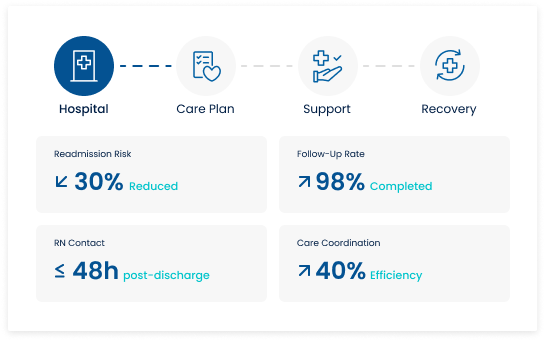
Delivering Measurable Results
Reduced Hospital Readmissions
Proactive post-discharge outreach and care coordination help detect complications earlier and prevent avoidable readmissions.
Improved Follow-Up Compliance
Coordinated appointment scheduling keeps patients on track with their recovery plans and specialist visits.
Faster Patient Stabilization
RN-led contact within 2 business days ensures patients are supported before small issues escalate.
Minimal Impact on Inpatient Teams
Dedicated TCM coordination ensures post-discharge support without adding workload to facility-based clinical staff.
Gabby Health TCM Services
Appointment Coordination
All follow-ups, specialist visits, and check-ins are scheduled and managed — keeping patients on track throughout their recovery.
- Follow-up appointment scheduling
- Specialist visit coordination
- Ongoing check-in management
- Provider communication and updates
Early RN-Led Outreach
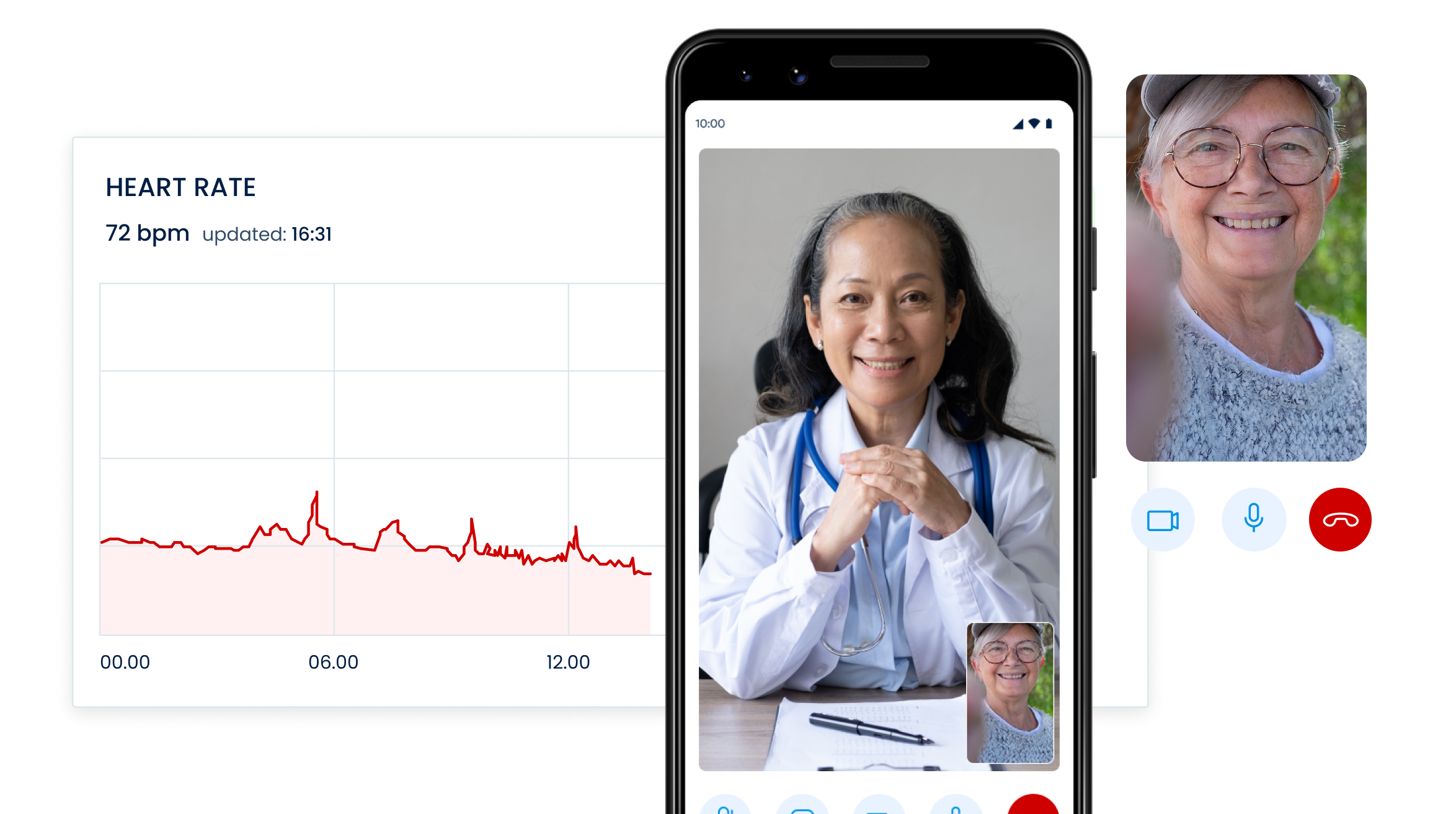
An RN initiates contact within 2 business days of discharge — assessing symptoms, reviewing the discharge plan, and identifying early warning signs.
- RN contact within 2 business days
- Symptom status assessment
- Discharge plan review
- Medication clarification
- Early warning sign identification
- Follow-up scheduling with providers
Appointment Coordination
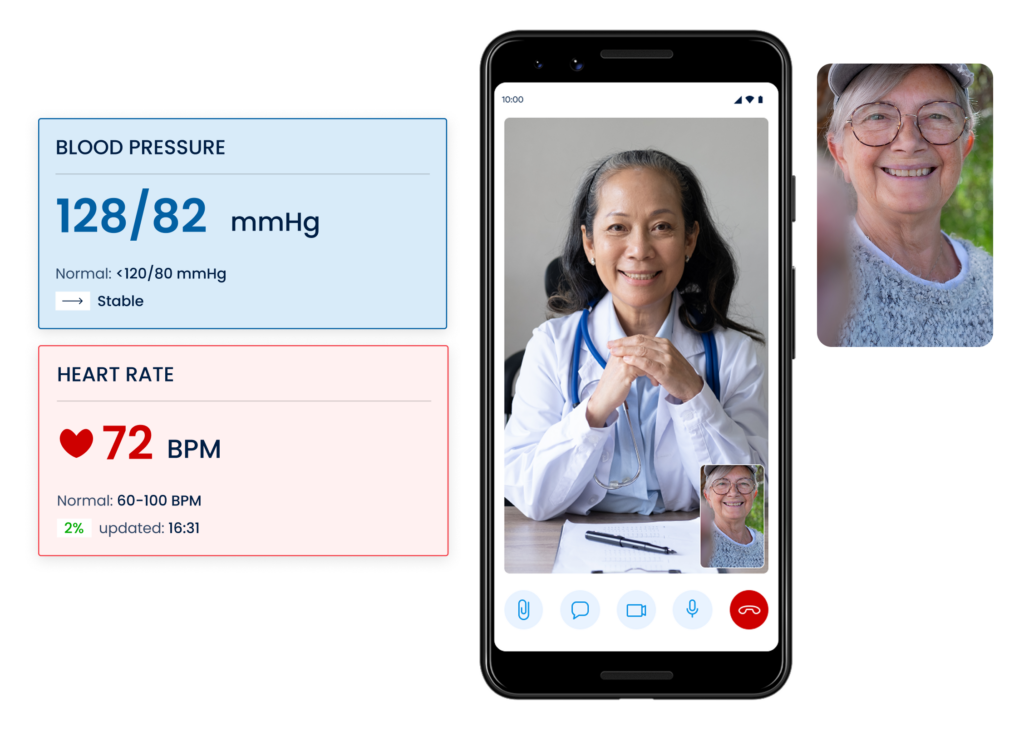
All follow-ups, specialist visits, and check-ins are scheduled and managed — keeping patients on track throughout their recovery.
- Follow-up appointment scheduling
- Specialist visit coordination
- Ongoing check-in management
- Provider communication and updates
RN-Led Model with Physician Guidance
Care delivery is led by RNs who manage outreach, coordination, and monitoring — with physicians providing clinical oversight, protocols, and supervision.
- RN-led outreach and coordination
- Continuous patient monitoring
- Physician clinical oversight
- Protocol guidance and supervision
How TCM Works
A structured, four-step process from hospital discharge through sustained recovery — coordinated by dedicated RNs with physician guidance.
Step 1: Patient Identification & Intake
Patients are identified at the time of hospital discharge and enrolled into the TCM program.
- Hospital discharge identification
- Discharge summary reviewed, diagnosis codes analyzed
- Medication list validated
- Clinical stratification by risk level and complexity
Step 2: Early RN-Led Outreach
A registered nurse (RN) initiates contact with the patient or caregiver within 2 business days of discharge, ensuring early engagement and continuity of care.
Key activities:
- Post-discharge follow-up call or virtual check-in
- Review of discharge instructions and medications
- Identification of immediate concerns or complications
- Patient and caregiver education
Early outreach is critical to reduce complications and prevent avoidable readmissions.
Step 3: Appointment Coordination
Care teams ensure all necessary follow-up appointments and services are scheduled and completed on time.
Key activities:
- Scheduling primary care and specialist visits
- Coordinating lab tests, therapy, and services
- Ongoing patient reminders and follow-ups
- Communication between providers
Timely follow-ups are essential for stabilizing patients and ensuring adherence to care plans.
Step 4: RN-Led Model with Physician Guidance
An RN-led care model, supported by physician oversight, ensures continuous monitoring and timely clinical decision-making.
Key activities:
- Continuous patient monitoring and status tracking
- Escalation of clinical issues to physicians when needed
- Adjustments to care plans based on patient condition
- Coordination across multidisciplinary teams
This collaborative approach improves care quality and ensures patients receive the right interventions at the right time.
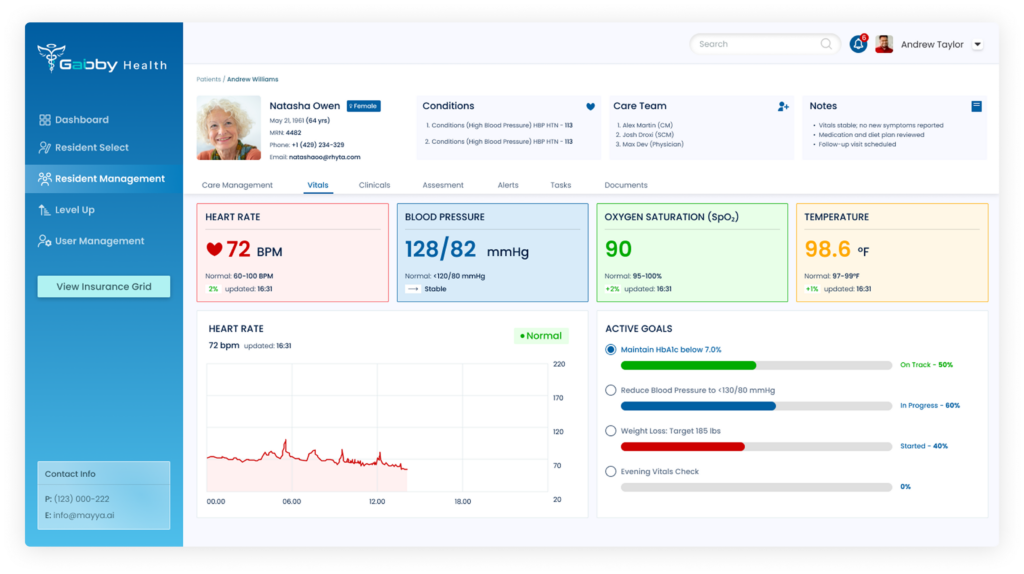
Why they trust Gabby Health
Gabby Health has completely transformed the way we monitor and manage resident care. The AI-powered insights help our team detect changes in patient conditions earlier, allowing us to intervene quickly and provide better outcomes for our residents.
Before using Gabby Health, reviewing patient records and making admission decisions was time-consuming. Now, our team can instantly access medical histories and care insights in seconds. It has significantly improved both efficiency and decision-making.
Gabby Health gives our care teams real-time visibility into resident health data. The platform’s AI recommendations help us prioritize patients who need immediate attention, ensuring that no critical changes are missed.
What I appreciate most about Gabby Health is how seamlessly it integrates with our workflow. Instead of searching through multiple systems, we can retrieve patient information instantly through the AI interface.
The dashboard is incredibly intuitive. With Gabby Health, our nursing staff can quickly access medication updates, patient history, and care notes, helping us stay proactive in delivering high-quality care.
Gabby Health has made accessing patient information faster and more reliable for our entire team. The AI assistant helps clinicians quickly find relevant medical details without navigating multiple systems.
Gabby Health has completely transformed the way we monitor and manage resident care. The AI-powered insights help our team detect changes in patient conditions earlier, allowing us to intervene quickly and provide better outcomes for our residents.
Gabby Health has completely transformed the way we monitor and manage resident care. The AI-powered insights help our team detect changes in patient conditions earlier, allowing us to intervene quickly and provide better outcomes for our residents.
Gabby Health has completely transformed the way we monitor and manage resident care. The AI-powered insights help our team detect changes in patient conditions earlier, allowing us to intervene quickly and provide better outcomes for our residents.
See how Gabby Health can transform your transitional care workflow.
Frequently Asked Questions
What is Transitional Care Management (TCM)?
Transitional Care Management (TCM) is a care coordination service that supports patients during the critical transition from a hospital or healthcare facility to home or another care setting.
It focuses on the first 30 days after discharge, ensuring patients receive proper follow-up care, medication management, and ongoing support to prevent complications or readmissions.
How quickly does RN outreach begin after discharge?
TCM guidelines require that patient or caregiver contact is initiated within 2 business days of discharge.
During this outreach:
- Care teams review discharge instructions
- Address immediate concerns
- Schedule follow-up appointments
- Ensure medication adherence
Early engagement is critical to prevent complications during this vulnerable period.
Does TCM add workload to inpatient clinical teams?
No—TCM is designed to reduce the burden on inpatient teams, not increase it.
It achieves this by:
- Handling post-discharge coordination and follow-ups
- Managing communication between providers and patients
- Supporting medication reconciliation and care planning
This allows hospital teams to focus on acute care while ensuring continuity after discharge.
Can Gabby Health Integrate TCM with existing EHR systems?
Yes, TCM platforms integrate with existing EHR/EMR systems using APIs, HL7, or FHIR standards.
This enables:
- Seamless access to patient records
- Real-time updates and data sharing
- Reduced manual documentation
- Improved care coordination across teams
Integration ensures efficient workflows without disrupting existing systems.
How does the RN-led model work with physician oversight?
In a TCM program:
- Registered Nurses (RNs) handle patient outreach, education, and coordination
- Physicians or qualified providers oversee care plans and clinical decisions
This collaborative model ensures:
- Continuous patient monitoring
- Timely escalation of issues
- High-quality, coordinated care
It balances efficiency with clinical oversight for better outcomes.
Does TCM help reduce hospital readmissions?
Yes, one of the primary goals of TCM is to reduce avoidable hospital readmissions.
It helps by:
- Ensuring proper follow-up care after discharge
- Identifying risks early
- Improving medication management
- Closing care gaps between providers
Studies show TCM improves outcomes and significantly lowers readmission rates and healthcare costs.